RadPad turns note-taking into an illustrated ring-binder experience. Its official description focuses on the cover, opening gestures, loose-leaf pages and the feeling of handling a physical notebook. It is aimed at someone who enjoys a playful personal object as part of writing, rather than someone primarily shopping for a database of structured work records.
This First look uses the App Store listing. We have not opened a binder, typed notes or tested sync. The attraction is the presentation of a familiar activity; the source does not establish a broad professional knowledge-management feature set.
Based on official store information. We have not tested this app hands-on.
What it does
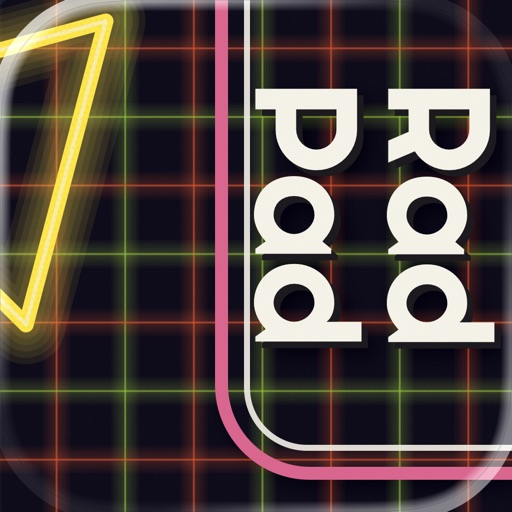
The described first-use sequence begins with a binder wrapped on a shelf. You open it, add a name to the tag and watch a generated cover appear in layers. The visual styles include Memphis-like patterns, animal prints, paint splashes and neon grids. The developer says covers differ and that certain combinations are less common.
A shake can generate another cover, with three re-rolls available according to the description. Two combined styles are described as appearing roughly once in eight binders each. These are developer statements about the decorative generation system, not odds we have tested. A rare-looking cover is a cosmetic distinction, not evidence of additional note-taking capability.
The outside includes a flap to peel back and a shiny laminate effect that responds to tilt. Inside, pages appear on binder rings. Text can be typed on both sides in a handwritten style, and page turns use a curl effect. A sheet can be crumpled into Trash and recovered later. These are interface metaphors rather than physical sheets or a promise of handwriting recognition.
The listing also describes saving the cover to Photos or sharing a story-shaped card. That gives the visual design a use beyond the notebook, but it does not establish that all note pages can be exported in every format you might want. Check the output you actually need before choosing the app for an archive.
A practical first evaluation is to create a short note, move between its pages, delete and recover a disposable sheet and inspect any sharing result. These are suggested checks based on the listed workflow, not actions we have performed.
Before you install
The source emphasises visual and tactile behavior more than search, tagging, document import or collaboration. Do not infer those capabilities because another notes app has them. If you need to find a line quickly across hundreds of pages, verify the actual retrieval tools rather than assuming the binder metaphor includes them.
The developer describes a special folding interaction for a device named in its marketing, while also saying other iPhones show one page at a time. We have not independently verified that hardware-specific behavior. Rely on the current official compatibility panel for your device rather than treating a promotional scenario as a universal capability.
No account, advertising or tracking is described, with notes on the device and sync through the user's own iCloud. Those are developer privacy claims. We have not audited storage, sync conflicts or recovery. A familiar-looking notebook can still depend on digital backup arrangements that differ from keeping a paper binder on a shelf.
Trash recovery also needs scope. The description says a discarded page can be retrieved, but it does not establish indefinite retention or recovery after every deletion and account change. Use disposable content to learn the behavior before relying on it for important notes.
Consider whether decorative interactions remain enjoyable during routine writing. An animated cover can be part of the appeal, while a practical notebook still needs to make entering and revisiting text comfortable. We have not assessed speed, accessibility or long-session usability.
Price and access
The linked US App Store listing asks $1.99 for the download and specifies compatible iPhone software requirements. Confirm the current regional price and device support before buying. The retained description does not establish a separate subscription tier or paid cover packs, so neither should be invented. Your iCloud availability and backup arrangement are separate from the installation price.
Our take
RadPad has a focused proposition: a personal typed notebook whose visual identity and page interactions are part of the experience. That could suit brief reflections, lists or casual writing when a playful object makes the habit more inviting. It should not be assumed to replace every organisational feature of a conventional notes application.
Start with a small amount of non-critical writing and examine both creation and retrieval. Check how you move through pages, recover a sheet and keep a copy of anything you value. A charming opening sequence is only the beginning of evaluating a notebook you plan to revisit.
We have not verified the generated-cover odds, device-specific interactions or iCloud behavior. Our take is a source-based introduction to a distinctive presentation, with compatibility and the practical needs of your writing more important than chasing a rare cover.
A decorative name tag may become visible when the cover is shared. Decide whether to use a full name, initials or another label before creating a public card. The visual output can reveal information even when the notes themselves are not included.
Sources
App icon from the official store listing.